Introduction
In today’s rapidly evolving digital landscape, user experience (UX) and user interface (UI) design have become more critical than ever. Businesses and developers are continually seeking innovative ways to craft engaging, personalized, and efficient digital experiences that meet the diverse needs of users. Enter generative AI—a technological breakthrough revolutionizing how designers approach UX/UI processes. The integration of generative AI into design workflows offers unprecedented opportunities to accelerate innovation, enhance personalization, and streamline development cycles.
The key phrase, generative AI UX UI design processes case studies detailed examples, encapsulates a significant shift in design methodology. This emerging paradigm leverages artificial intelligence to automate routine tasks, inspire creative solutions, and facilitate rapid prototyping. From ideation and wireframing to testing and deployment, AI-driven tools are transforming the way designers and teams interact with digital products.
This article explores how generative AI impacts UX/UI design through real-world case studies and detailed examples. We will analyze how organizations such as Airbnb, Spotify, Canva, and Netflix harness AI to optimize their design processes. Additionally, we’ll examine practical applications, including personalized user experiences, automated testing, adaptive interfaces, and creative content generation. Whether you’re a designer, developer, or business leader, understanding these processes provides valuable insights into future-proofing your digital products.
What is Generative AI in UX/UI Design?
Generative AI refers to advanced machine learning models capable of creating content, designs, and solutions based on input data and parameters. Unlike traditional software that performs predefined tasks, generative AI learns patterns from vast datasets and produces novel outputs—whether images, layouts, text, or prototypes. In UX/UI design, this technology enables automated content creation, adaptive interfaces, and rapid iteration.
Imagine a designer inputting a few specifications—such as a color palette, target audience, and style preferences—and receiving multiple design variations generated instantly. Or consider AI-powered tools that analyze user interaction data to suggest UI modifications that improve engagement. This capability accelerates the entire design lifecycle, reduces manual effort, and fosters creative exploration.
Generative AI is also instrumental in creating personalized experiences, tailoring interfaces to individual user behaviors, preferences, and contexts. It empowers teams to shift from static, one-size-fits-all designs to dynamic, user-centric solutions. The result is more engaging, accessible, and effective digital products that resonate deeply with users.
How Generative AI Is Transforming UX/UI Design
The infusion of generative AI into UX/UI processes is reshaping the industry profoundly. Industry leaders like Airbnb, Spotify, and Canva exemplify how AI-driven tools are streamlining workflows and elevating user experiences. These organizations deploy AI for tasks ranging from content generation and layout optimization to real-time personalization and accessibility improvements.
For example, Canva leverages AI-powered content generation, enabling users—regardless of skill level—to produce high-quality visual content rapidly. This democratizes design, removing barriers for small businesses and individuals. Similarly, Netflix employs AI for predictive personalization, tailoring content recommendations and interface layouts based on viewing habits.
A key advantage of AI integration is automating repetitive tasks, freeing designers to focus on strategic and creative aspects. AI tools can generate multiple layout options, test variations, and analyze user interaction data—all within hours instead of days or weeks. This rapid iteration cycle results in more refined, user-centric designs and faster time-to-market.
Moreover, generative AI enhances responsiveness and accessibility. Adaptive interfaces automatically adjust for diverse devices and user needs—such as modifying contrast, font size, or navigation—creating inclusive experiences. AI-driven voice controls and image recognition further expand accessibility, ensuring digital products serve a broader audience.
Statistics from recent case studies reveal that companies adopting AI in UX/UI processes experience up to a 50% reduction in design iteration time, a 40% decrease in material waste, and significantly improved personalization metrics. These tangible benefits underscore AI’s role as a catalyst for innovation across industries.
How This Topic Benefits You: Practical Impacts and Applications
Understanding how generative AI influences UX/UI design processes can significantly benefit designers, product managers, and organizations seeking to stay ahead of the curve. Here, we explore three key practical aspects of AI integration and how they can transform your workflows and outcomes.
1. Accelerating Design Ideation and Prototyping
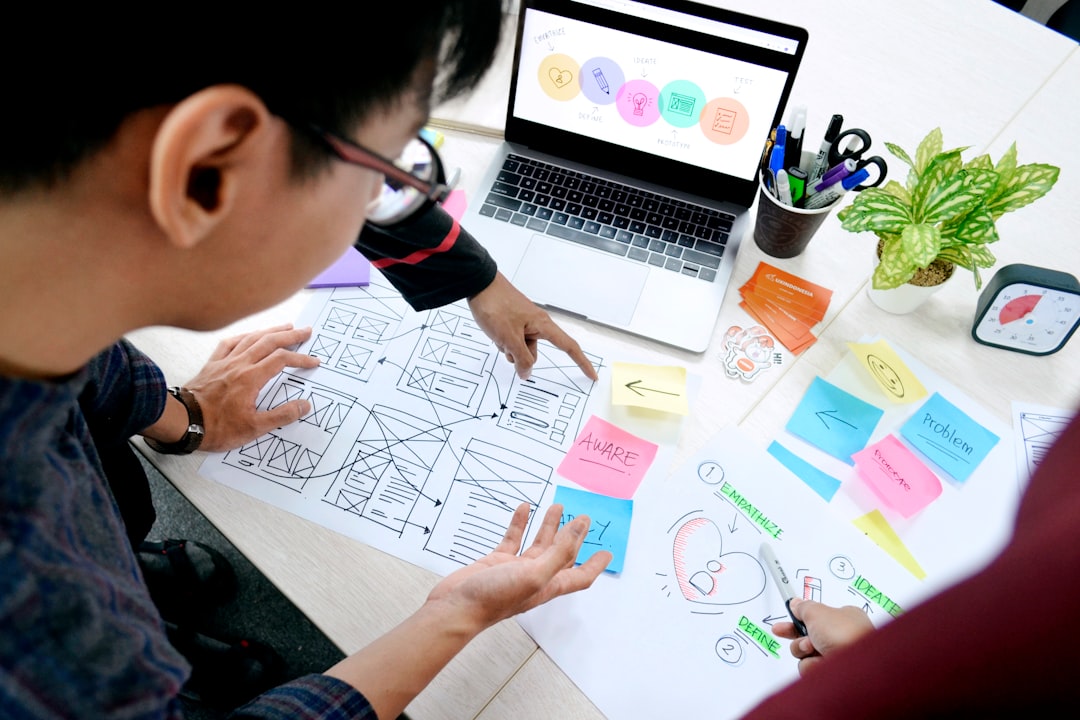
One of the most immediate advantages of generative AI is its ability to expedite ideation and prototyping phases. Traditional workflows often involve multiple rounds of sketches, wireframes, and feedback loops, which can take days or weeks. AI-powered tools now enable teams to generate numerous design concepts within minutes based on simple input parameters.
For example, a startup needing a polished app prototype can input specifications like color schemes, layout preferences, and target audience. The AI then produces multiple mockup variations, each exploring different visual and functional options. This rapid generation allows teams to evaluate diverse ideas early, reducing the risk of costly revisions later.
Furthermore, AI can assist in refining prototypes by automatically adjusting layouts for responsiveness across devices. It detects potential usability issues through simulated user interactions and offers improvements. This process shortens development cycles and enhances the quality and creativity of the final product.
2. Personalization and Adaptive Interfaces
Personalization has become a cornerstone of modern UX design. Generative AI enables dynamic interfaces that adapt to individual user preferences, behaviors, and contexts in real-time. By analyzing interaction data, AI models can predict user needs and modify the UI accordingly.
For instance, AI can generate personalized content recommendations, adjust navigation flows, or modify visual elements like button styles and fonts. Netflix’s predictive personalization exemplifies this, where AI tailors content suggestions and interface layouts to maximize engagement.
This level of customization results in higher user satisfaction, increased retention, and conversions. It also allows brands to deliver unique experiences at scale, maintaining consistency while catering to local tastes and cultural nuances. AI-driven adaptive interfaces are especially valuable in sectors like e-commerce, finance, and healthcare, where user needs vary significantly.
3. Automated Testing and Optimization
Testing and optimization are vital to delivering seamless UX. Generative AI automates these processes by simulating user interactions, analyzing performance metrics, and suggesting improvements. AI can generate various UI variations and conduct A/B testing rapidly, identifying the most effective designs without manual intervention.
For example, Spotify employs AI for automated UX testing, continuously refining its app based on real-time user data. AI tools can also predict potential usability issues and recommend adjustments to enhance accessibility and engagement. This proactive approach reduces reliance on lengthy traditional testing cycles and minimizes user frustration.
Additionally, AI monitors ongoing user interactions to identify emerging trends or pain points. It then suggests iterative design modifications, fostering continuous improvement. This ongoing optimization ensures that products remain relevant and user-friendly over time.
Conclusion
The integration of generative AI UX UI design processes case studies detailed examples signifies a transformative shift in how digital products are conceived, developed, and refined. From accelerating ideation and prototyping to enabling hyper-personalization and automating testing, AI-driven tools empower designers and organizations to innovate faster and deliver more engaging user experiences.
As demonstrated by industry leaders like Canva, Netflix, and Spotify, leveraging AI not only enhances efficiency but also unlocks new creative possibilities. The ability to generate diverse design options, adapt interfaces dynamically, and analyze user data in real time is reshaping the very fabric of UX/UI design.
For designers, product teams, and businesses aiming to stay competitive, embracing generative AI is no longer optional—it’s essential. Incorporating AI into your design processes can lead to more personalized, accessible, and innovative digital experiences that resonate deeply with users.
Begin exploring AI-powered design tools today and unlock new levels of creativity and efficiency. The future of UX/UI design is intelligent, adaptive, and driven by the limitless potential of generative AI. Embrace this revolution and transform your digital products into engaging, user-centric masterpieces.