Introduction
In today’s fast-paced, data-driven business landscape, executives are confronted with unprecedented challenges and opportunities. Rapid technological advancements, global market volatility, and shifting customer expectations demand swift, well-informed decisions. Traditional decision-making tools often fall short in providing real-time insights and predictive foresight necessary for maintaining strategic agility. This is where AI-powered decision support dashboards, analytics, and simulation tools come into play—transforming raw data into actionable intelligence that underpins effective executive strategies.
Implementing these advanced tools enables leaders to visualize complex metrics, forecast future scenarios, and simulate strategic initiatives—all within a unified interface. This approach not only enhances decision accuracy but also fosters a proactive management style capable of anticipating market shifts and mitigating risks before they materialize. As organizations increasingly adopt AI-driven decision systems, they gain a competitive edge by converting data into strategic assets.
Furthermore, integrating AI decision support dashboards with traditional executive tools streamlines operational workflows and enhances stakeholder engagement. Leaders can monitor key performance indicators (KPIs) in real time, test “what-if” scenarios, and receive prescriptive recommendations aligned with overarching business objectives. The result is a more resilient, adaptable organization poised to capitalize on emerging opportunities and navigate uncertainties with confidence.
In this comprehensive article, we explore how AI decision support dashboards, analytics, and simulation tools are shaping modern executive strategy. We will highlight best practices for leveraging these technologies, discuss their practical applications, and provide insights into embedding them into strategic decision-making processes for maximum impact.
Explaining the Key Terms to the Leadership Audience
AI decision support dashboards, analytics, and simulation tools form a sophisticated ecosystem designed to elevate executive decision-making. At their core, these tools harness artificial intelligence to analyze vast data sets, generate insights, and recommend strategic actions in real time. Unlike traditional dashboards that primarily display historical data, AI-powered platforms actively predict future trends, simulate various scenarios, and suggest optimal courses of action.
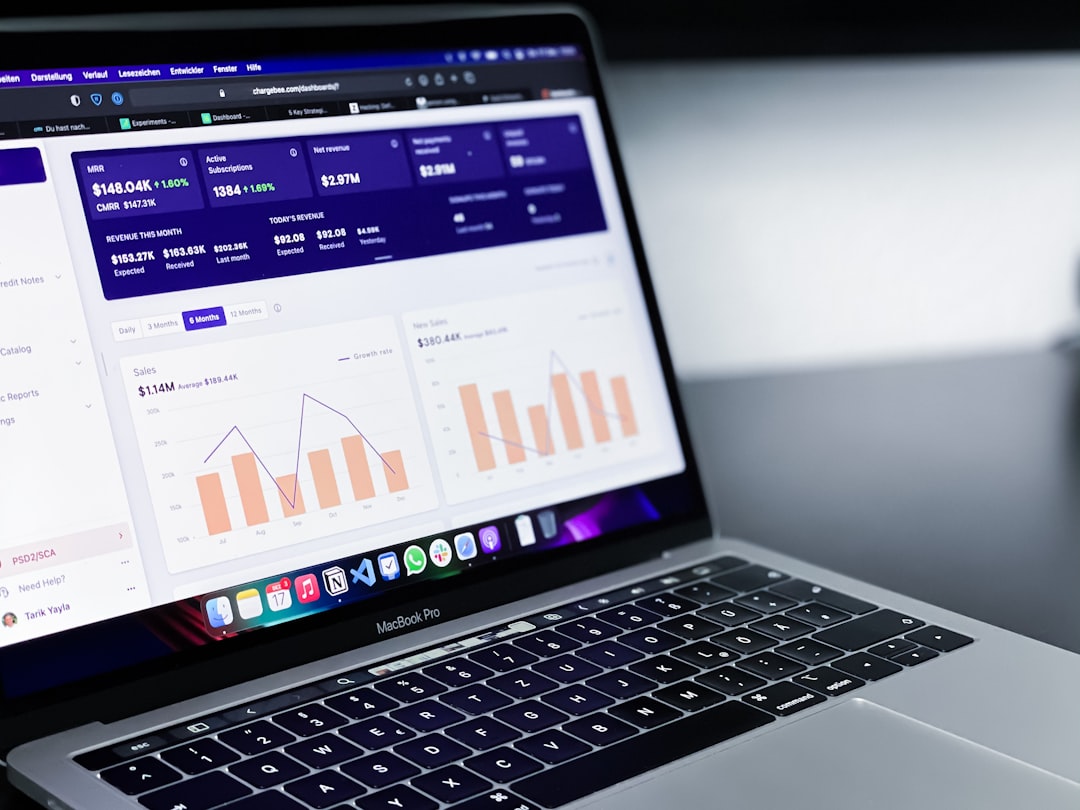
Decision support dashboards are interactive visual interfaces aggregating data from multiple sources—such as sales, operations, finance, and customer feedback—and presenting it through intuitive charts, heatmaps, and KPIs. These dashboards are customizable, allowing executives to focus on metrics most relevant to their strategic priorities. When integrated with AI analytics, they can filter out noise, highlight critical signals, and surface actionable insights that might otherwise be overlooked.
Analytics extend beyond descriptive reporting. Predictive analytics forecast future outcomes based on historical patterns, while prescriptive analytics recommend specific strategies to achieve desired results. For example, an AI system might suggest adjusting marketing spend based on predicted customer churn or optimizing workforce scheduling to reduce costs and improve productivity.
Simulation tools further empower leaders by enabling them to model “what-if” scenarios. They can test the impact of various strategic moves—such as launching a new product, entering a new market, or adjusting pricing—under different assumptions. These simulations help identify risks, uncover opportunities, and determine the most promising pathways, reducing uncertainty and increasing confidence in decisions.
Together, these components form a comprehensive decision support system that transforms raw data into strategic intelligence. For executives, mastering these tools means translating complex analytics into clear, actionable steps that drive organizational success. Effective use requires not just technological adoption but also aligning these tools with strategic priorities, fostering cross-functional collaboration, and embedding data-driven practices into the corporate culture.
Main Body of the Topic
The adoption of AI decision support dashboards, analytics, and simulation tools has accelerated across industries, driven by the need for faster, more accurate decision-making. Research indicates that companies investing in these technologies report operational efficiencies improving by 20-30%, alongside enhanced strategic agility. These tools help leaders identify emerging risks, capitalize on new opportunities, and optimize resource allocation with a level of precision manual analysis cannot match.
Modern AI dashboards leverage advanced visualization techniques, often incorporating natural language processing (NLP) and interactive features. Executives can query data using simple language, drill down into specific metrics, or view trend analyses on customizable dashboards—accessible via desktops or mobile devices. This ease of access ensures decision-makers remain connected to real-time insights regardless of location.
Predictive and prescriptive analytics form the backbone of these systems. For example, in supply chain management, AI can forecast demand fluctuations, identify potential bottlenecks, and recommend inventory adjustments proactively. In marketing, AI models predict customer churn and suggest retention strategies. These insights enable leaders to shift from reactive to proactive management, aligning strategies with anticipated market developments.
Simulation tools further enhance strategic planning by enabling scenario analysis. Executives can model the outcomes of various initiatives—such as mergers, product launches, or pricing adjustments—and evaluate their potential impact on key metrics. This process helps prioritize initiatives, allocate resources efficiently, and develop contingency plans.
Implementing AI decision systems requires careful planning. Best practices include establishing clear objectives, ensuring data quality and integration, and fostering a culture of data literacy. Engaging stakeholders through workshops and training accelerates adoption and builds trust in the system’s outputs. Continuous iteration and feedback ensure dashboards and analytics evolve in line with organizational needs.
Successful organizations recognize that technology alone is insufficient. Embedding AI-driven insights into strategic workflows, aligning them with KPIs, and encouraging data-informed decision-making at all levels are critical. As AI decision systems mature, they will increasingly incorporate causal reasoning, autonomous decision-making, and continuous learning capabilities—further transforming how executives lead.
How This Topic Benefits and Supports the Reader
Practical Benefit 1: Enhanced Decision Accuracy and Speed
For executives, the primary advantage of AI decision support dashboards, analytics, and simulation tools is the ability to make faster, more accurate decisions. These platforms synthesize complex data from diverse sources into clear visualizations, reducing cognitive load and minimizing errors. Predictive analytics inform leaders about future risks and opportunities before they fully materialize, enabling proactive responses. Simulation capabilities allow testing multiple strategies swiftly, revealing optimal options without costly trial-and-error.
Integrating these tools into daily workflows enables leaders to respond swiftly to market shifts. For instance, during a crisis such as supply chain disruption, AI dashboards can instantly highlight affected areas, suggest corrective actions, and simulate their outcomes—saving valuable time and resources. This agility is vital for maintaining competitive advantage and organizational resilience.
Practical Benefit 2: Optimized Resource Allocation and Strategic Planning
AI analytics empower leaders to allocate resources more effectively across departments, projects, and markets. By analyzing historical data and current trends, these tools identify underperforming areas and high-potential opportunities. Prescriptive analytics recommend where to invest, cut costs, or pivot strategies, ensuring resources are deployed efficiently.
Simulation tools further support long-term planning by enabling scenario modeling. Leaders can evaluate the potential impact of entering new markets, launching products, or adjusting pricing strategies on revenue, margins, and customer satisfaction. This foresight reduces uncertainty and helps prioritize initiatives with the highest strategic value. As a result, organizations become more agile, aligned, and confident in executing complex strategies.
Practical Benefit 3: Cultivating a Data-Driven Organizational Culture
Implementing AI decision support dashboards and analytics fosters a culture of data-driven decision-making. When leaders actively leverage these tools, they set an example that encourages teams across the organization to follow suit. Regular workshops, training, and transparent sharing of insights help demystify AI functionalities and build trust.
This cultural shift promotes reliance on evidence rather than intuition alone, leading to more consistent, objective decisions. Over time, organizations develop a competitive edge by continuously learning from data, refining strategies based on insights, and adapting swiftly to changing conditions. Leaders who embed these practices into their strategic routines position their organizations for sustained growth and innovation.
Conclusion
In summary, integrating AI decision support dashboards, analytics, and simulation tools represents a pivotal evolution in executive strategy. These technologies enable leaders to visualize data clearly, forecast future scenarios, and test strategies virtually—transforming raw information into strategic intelligence. Thoughtful adoption of these tools allows executives to make faster, more confident decisions, optimize resource deployment, and foster a culture of continuous learning and adaptation.
The future of strategic leadership hinges on leveraging AI-driven insights to navigate complexity and uncertainty effectively. Organizations that embrace these innovations will unlock new levels of agility, resilience, and competitive advantage. To elevate your decision-making processes, begin exploring how AI decision support dashboards and analytics can be seamlessly integrated into your strategic framework today. Harness the power of AI to craft smarter, more informed, and impactful organizational strategies for tomorrow.