Category: Software Development
-

The Enterprise AI Throughput Paradox: 170% More Output at 80% Headcount — and Why It Is Reshaping Software Engineering in 2026
In March 2026, Andrew Filev published a number that stopped engineering leaders cold: his team of 30 engineers at Zencoder was producing 170% of the output of the previous 36-person team. Not 20% more. Not 50% more. One hundred and seventy percent — at 80% of the headcount. Verified via six months of JIRA data.…
-

Enterprise Code Review at Scale: How AI-Powered Quality Gates Are Changing Development in 2026
If 2025 was the year AI made developers faster, 2026 is the year organizations discovered the cost of that speed. As CodeRabbit’s VP of AI put it: “2025 was the year of AI speed. 2026 will be the year of AI quality.” The shift is visible in the numbers: Fortune 500 AI-assisted development adoption has…
-
Continual Learning vs. Static Models: The Enterprise AI Reckoning in 2026
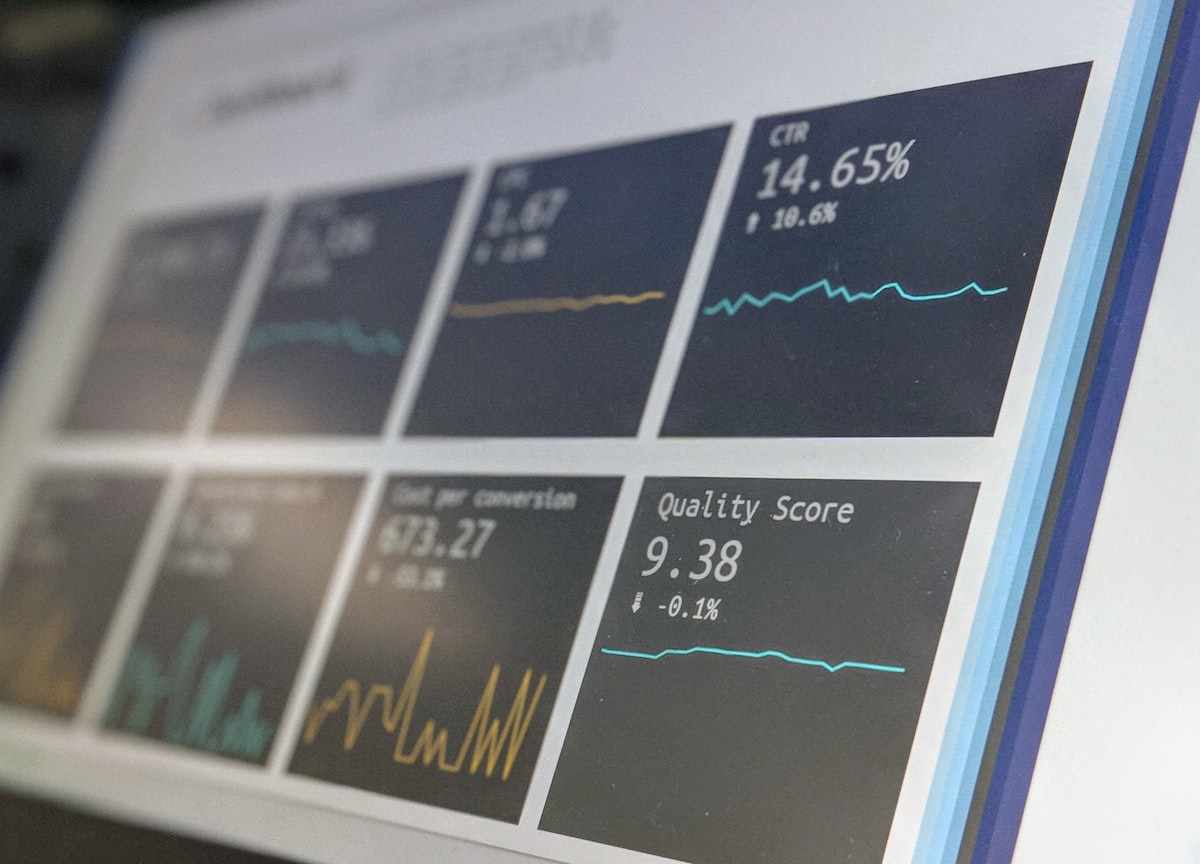
91% of machine learning models degrade in production over time. That figure comes from a peer-reviewed Nature study by researchers at Harvard, MIT, Cambridge, and the University of Monterrey — not an MLOps vendor whitepaper. The study tracked 32 datasets across 4 industries and 4 model architectures. The finding is unambiguous: a deployed model left…
-

Spec-Driven Development: The Engineering Practice That Lets Teams Compress 18-Month Projects into Weeks
An AWS team completed an 18-month rearchitecture project in 76 days. Six engineers, where 30 had originally been scoped. The tool: Kiro IDE, built around a methodology called spec-driven development. That number isn’t a fluke — it’s showing up across EY, Amazon’s product lines, and the Kiro team itself. The question worth asking is why,…
-
The Great Enterprise AI Chasm: Why 79% of Organizations Struggle to Move Beyond Pilots
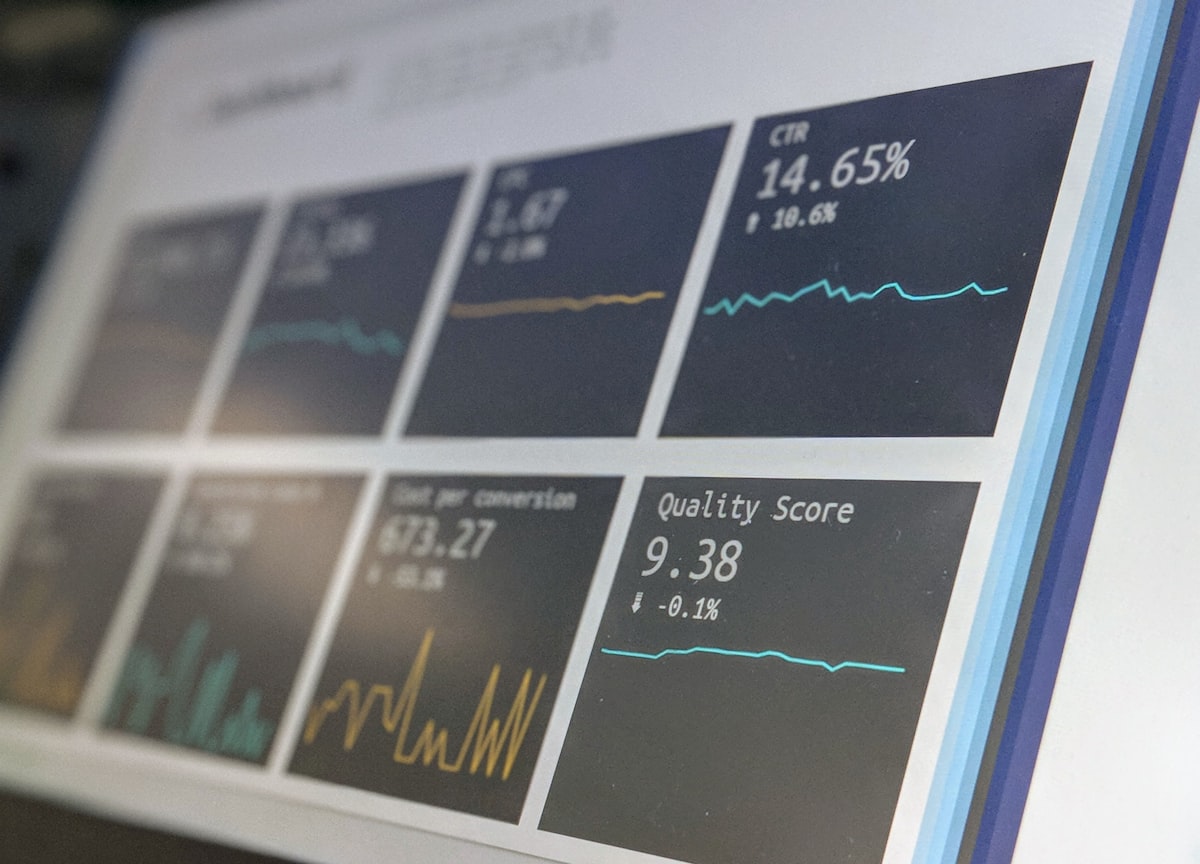
Enterprise AI investment has never been higher. Yet according to Writer’s 2026 Enterprise AI Adoption Survey of 2,400 executives and employees across the US, UK, and Europe, 79% of executives acknowledge struggling with AI adoption — despite 59% of their companies spending over $1 million annually on AI. The gap between AI experimentation and production…
-

Hybrid AI Architecture in 2026: Why Enterprises Are Combining LLMs with Symbolic Reasoning
Enterprise AI spending will total US$ 2.5 trillion in 2026, according to Gartner. But the engineering teams deploying those systems keep running into the same constraint: pure LLMs hallucinate, drift from domain logic, and cannot enforce regulatory compliance at the reasoning level. The solution the market is converging on is not a better foundation model…
-

Vibe Coding in the Enterprise: The Security Debt No One Is Measuring
Engineering teams adopted vibe coding for the velocity gains — and the gains are real. But there’s a balance sheet that most organizations aren’t tracking: security debt accumulated from AI-generated code that goes into production without adequate review. VentureBeat calls it “the new S3 bucket crisis” — and if your team is shipping AI-generated code,…
-

AI Code Verification in 2026: The Bottleneck Engineering Teams Miss
Spotify’s best engineers haven’t written a single line of code since December 2025. Their internal “Honk” system — built on Claude Code — lets engineers describe a bug fix on their phone during a commute and merge the deployment before reaching the office. That’s the headline. Here’s what the headline misses: 43% of AI-generated code…
-
The Software Engineer as Orchestrator: How Agentic AI Is Redefining Engineering Roles in 2026
The most important shift in enterprise software engineering in 2026 isn’t about which AI tool developers use. It’s about what developers actually do all day. Writing code is no longer the core activity — orchestrating AI agents, validating their outputs, and governing their behavior is. The engineers who understand this transition are commanding $200K–$300K+ salaries.…
-

Agent-to-Agent (A2A) Protocol: How AI Systems Are Learning to Work Together in 2026
The Model Context Protocol solved half the problem: it gave AI agents a standard way to connect to tools. But what happens when agents need to talk to each other — across different frameworks, vendors, and organizational boundaries? That is the gap the Agent-to-Agent (A2A) Protocol was built to close, and one year in, it’s…