On October 6, 2026, SAP said it will acquire TechWolf, a Ghent-based company that sells what it calls a context graph for work. Terms were not disclosed, and per SAP’s announcement the deal is expected to close in Q4 2026, pending regulatory approval. The price tag is the least interesting part. The deal shows where vendors think AI agents will get their grounding, and that matters if you are planning agent deployments.
What TechWolf actually built
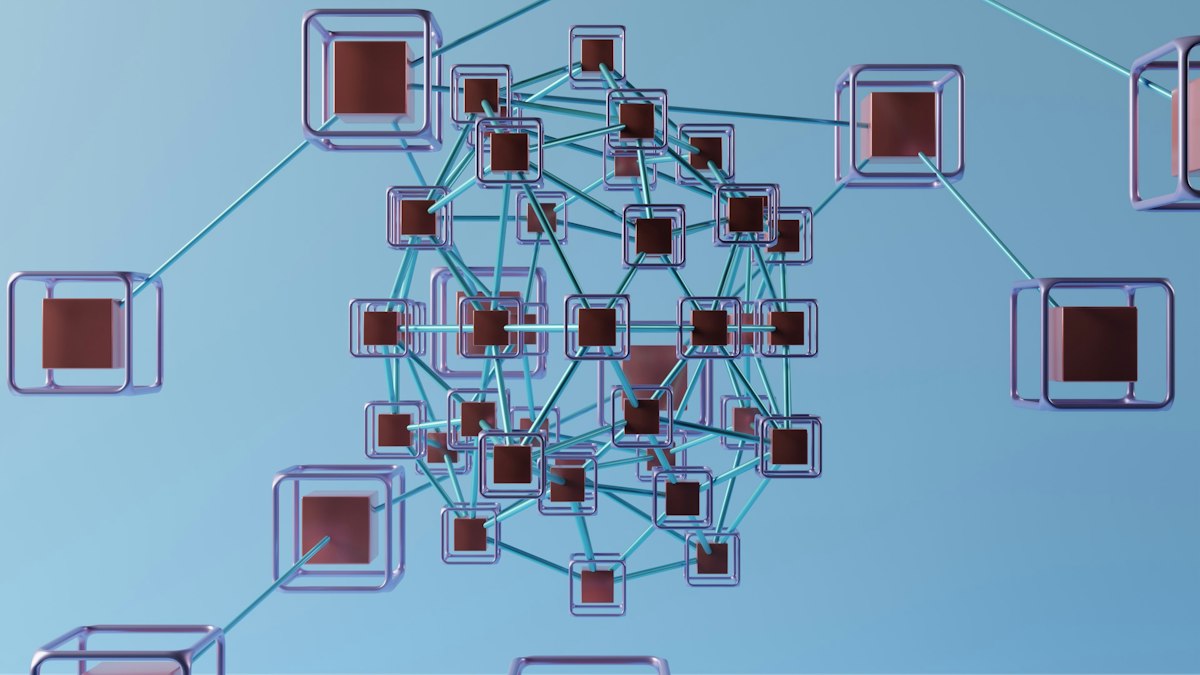
TechWolf’s context graph models an organization at three levels: the work itself down to tasks within jobs, the skills people have and apply, and the external labor market. It is built from the HR and business systems a company already runs, and it keeps working alongside SAP SuccessFactors and non-SAP applications, according to SAP.
The company says it has spent eight years on this “evidence layer” and lists HSBC, GSK, Ericsson, AMD, MetLife, PayPal, Booking.com and Atlas Copco Group as customers. It also reports that its open-source models have been downloaded more than two million times. Headcount and funding were not disclosed.
Why agents need a grounding layer
Manoj Swaminathan, president and chief product officer of SAP Autonomous Suite, described the graph as a grounding layer for agent queries about work, skills planning and talent management. His claim is that it makes token usage more efficient, lowers the cost of deploying workforce agents and makes Joule smarter in scenarios such as skills-based hiring, workforce planning and role redesign.
Treat the efficiency claim as a vendor claim. CIO.com notes that the cost and accuracy benefits are unproven until deployed, and I found no independent measurements. The underlying idea is still sound for anyone who has watched an agent guess. An agent asked who could cover a Kubernetes migration needs more than a job title. It needs evidence of what people actually do.
What it means for IT leaders and engineering orgs
Most agent projects start with a model and a tool list. The harder question is what structured context the agent can query, and who keeps it accurate. A few things follow from this deal:
- Context is becoming a product category. SAP, Salesforce, ServiceNow and Workday are all pushing to supply agents with enterprise context, as CIO.com reports.
- Inferred beats declared. TechWolf infers skills from real work signals rather than self-assessments, which is a different data pipeline from an HR profile someone updates once a year.
- Your source systems become the bottleneck. A graph built from HR and business systems is only as good as the data and access controls behind them.
Governance is part of the architecture
Work signals are sensitive. A graph of tasks and skills per employee raises privacy questions long before it raises technical ones. SAP says TechWolf offers EU and US data residency, ISO/IEC 27001 and ISO/IEC 42001 certifications, and support for EU AI Act governance. That is a useful checklist for any vendor you evaluate, not just this one.
ERP Today adds that SAP wants SuccessFactors seen as a work intelligence platform rather than only a system of record, citing remarks from SAP Connect 2026 that organizations cannot redesign work without first understanding how it is performed today.
Open questions before you budget
Two details deserve attention. First, the deal has not closed. Second, TechWolf is expected to stay independent under co-founder and CEO Andreas De Neve, with its platform available to SAP and non-SAP customers, while also becoming the intelligent core of SuccessFactors. AI Weekly and CIO.com both note this setup, and it could complicate the roadmap. If you run a mixed HR estate, that independence may be what makes it usable at all.
- Ask for evidence behind any token-cost or accuracy numbers, ideally from a customer in your industry.
- Map which systems would feed a work graph and who owns their data quality.
- Decide early which agent use cases touch employee data and who signs off on them.
The takeaway
Agent quality will depend less on the model you pick and more on the context you can give it. This acquisition is a bet that work data, gathered from evidence, is part of that context. If you are sorting out how to ground agents in your own systems, talk to the Luby engineering team.